Caterers Told to Avoid Spices in School Meals for Better Health
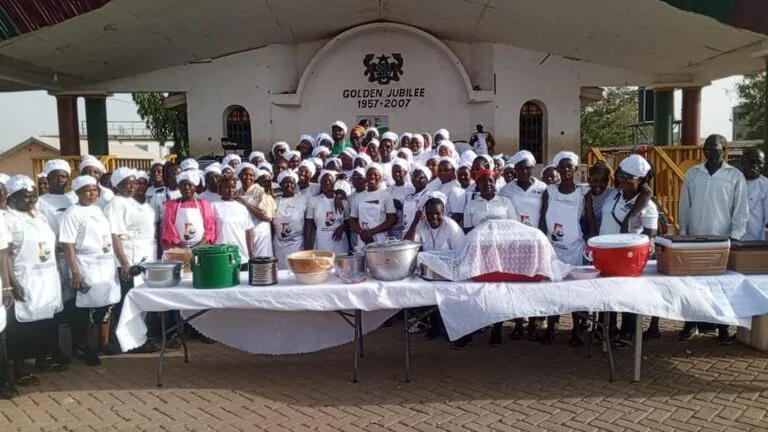
The National School Feeding Programme in the Upper East Region has introduced a crucial new directive for caterers who prepare meals for schoolchildren.
In a recent training session, caterers were advised to eliminate all spices from their cooking and instead focus on using natural ingredients like onions, garlic, and ginger. The move is part of an ongoing effort to improve the health and well-being of students while promoting academic success through better nutrition.
The practical training and sensitization event for caterers took place in the central zone of the Upper East Region, which includes Bolgatanga Municipal, Bolgatanga East, Bongo, Talensi, and Nabdam districts. The training aimed to educate the 1365 school feeding caterers working in 1007 schools across the region on the nutritional value of the food they serve. This initiative underscores the importance of hygiene and nutrition in feeding young learners.
Amina, the Nutrition Officer from the National School Feeding Secretariat, was a key facilitator at the event. She emphasized the significance of using natural food products, such as onions, garlic, and ginger, to flavor meals for students. The aim is to provide wholesome, nutritious food that supports the children’s growth, health, and academic performance. “We don’t want them to be cooking with spices for the kids. It’s not good for their system,” Amina stated.
The removal of artificial spices and flavor enhancers like Maggi cubes is seen as a step toward ensuring that children consume more wholesome, digestible meals. Spices, while commonly used to enhance the taste of food, can sometimes cause digestive discomfort, especially in young children whose systems may not be fully developed to handle certain additives. By focusing on natural ingredients, the programme aims to promote better digestion and overall health for students.
The shift away from spices also encourages caterers to revisit traditional foods that were once staples in the region. These traditional meals, prepared with locally sourced ingredients, are rich in essential nutrients that contribute to healthy physical and cognitive development.
Integrating these traditional recipes into the daily meals served to children ensures that students benefit from the diversity of natural food options available in the region.